
Buildings account for nearly 30% of global energy consumption, while space cooling demand continues to rise as urban temperatures increase. Research from International Energy Agency shows that air conditioning use could more than triple worldwide by 2050 if current trends continue. As cities experience longer warm seasons and denser development patterns, outdoor shading infrastructure has become an increasingly practical strategy for reducing energy loads without relying entirely on mechanical cooling systems.
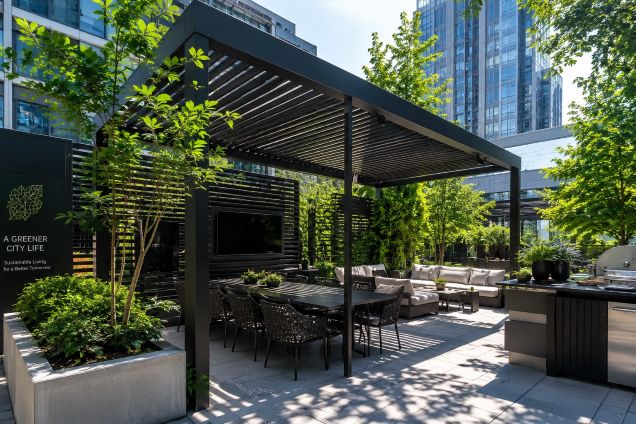
Architects, engineers, and property owners are now examining how exterior structures influence indoor thermal performance. Bioclimatic shades like the Pergomaxx pergolas are often discussed within broader conversations about passive climate control because they create shaded transition zones that help reduce direct solar gain on windows, walls, and outdoor surfaces. Data from U.S. Department of Energy indicates that effective exterior shading can significantly lower indoor temperatures and reduce the workload placed on air conditioning systems during peak heat periods.
Why Solar Heat Gain Matters
Solar radiation affects buildings long before indoor cooling equipment activates. When sunlight strikes roofs, glass surfaces, patios, and walls, those materials absorb and store heat. That thermal energy then transfers into indoor spaces through conduction and radiation. Large glass openings, concrete surfaces, and dark exterior materials tend to intensify this effect.
Research published by the Lawrence Berkeley National Laboratory notes that solar heat gain through windows remains one of the largest contributors to cooling demand in warm climates. Buildings with insufficient external shading often experience higher indoor temperatures during the afternoon, which increases dependence on air conditioning systems and elevates electricity use.
Outdoor shading infrastructure addresses this challenge before heat enters the building envelope. Instead of cooling overheated interior spaces after solar exposure occurs, passive design strategies interrupt or diffuse sunlight at the exterior level. This systems-based approach aligns with long-standing environmental design principles used in both residential and commercial construction.
Understanding Microclimate Effects
Microclimates refer to localized environmental conditions that differ slightly from surrounding areas. Outdoor surfaces, vegetation, building orientation, and airflow patterns all influence these small-scale climate zones. Shaded environments generally maintain lower surface temperatures than areas exposed to direct sunlight for extended periods.
Studies from National Renewable Energy Laboratory show that shaded pavement and outdoor materials can remain substantially cooler compared to fully exposed surfaces during summer conditions. Cooler exterior surfaces help limit the amount of heat radiating toward adjacent walls and windows.
Shading structures contribute to microclimate management in several ways:
- Reducing direct solar exposure on walls and glazing
- Lowering surface temperatures around outdoor living areas
- Supporting airflow circulation beneath covered spaces
- Limiting heat accumulation near entrances and patios
- Creating thermal buffers between indoor and outdoor zones
These environmental adjustments may appear modest individually, yet combined effects can influence overall building comfort and cooling performance over time.
Passive Environmental Control and Outdoor Structures
Passive environmental control focuses on reducing energy demand through design rather than mechanical intervention. Shading systems belong to the same category as insulation, reflective roofing materials, thermal mass design, and strategic landscaping.
Experts from American Society of Heating, Refrigerating and Air-Conditioning Engineers (ASHRAE) emphasize that passive cooling methods are most effective when integrated into broader building design strategies. Outdoor structures function best when they align with sun orientation, seasonal climate patterns, and surrounding airflow conditions.
For example, south-facing areas in many regions receive prolonged sun exposure during midday hours. Adjustable overhead louvers or partially covered shade systems can help manage changing sunlight angles throughout the day. East- and west-facing exposures may require additional consideration because low-angle morning and afternoon sunlight can penetrate deeper into indoor spaces.
Outdoor shading systems can also reduce heat stress in frequently used exterior areas. Patios, terraces, courtyards, and dining spaces often become difficult to use during peak afternoon temperatures. By moderating heat accumulation, covered structures may improve outdoor usability while indirectly lowering indoor occupancy pressure during warm periods.
Evaluating Material Performance
The thermal behavior of shading infrastructure depends heavily on material selection. Metal frameworks, composite systems, wood components, and fabric coverings each respond differently to heat, moisture, and sunlight exposure.
Environmental Protection Agency guidance on heat island mitigation highlights the importance of reflective and low-heat-retention materials in urban design. Materials that absorb excessive heat can unintentionally increase surrounding temperatures even when shade is provided.
Several performance considerations commonly shape outdoor shading design decisions:
- Surface reflectivity and solar absorption rates
- Durability under ultraviolet exposure
- Ventilation compatibility
- Moisture resistance and maintenance requirements
- Structural stability in wind conditions
- Potential for adjustable shade control
Ventilated structures often perform better thermally than enclosed coverings because airflow allows accumulated heat to dissipate more effectively. Open slat systems and adjustable roof configurations can support this process while maintaining weather protection and shade coverage.
Vegetation and Combined Shading Strategies
Natural shading elements remain an important part of environmental cooling strategies. Trees, climbing plants, and landscaped green areas can complement built shading infrastructure by lowering surrounding air temperatures through evapotranspiration.
Food and Agriculture Organization of the United Nations notes that urban vegetation contributes to localized cooling by reducing surface heat accumulation and improving air movement. Combining greenery with structured outdoor coverings may strengthen thermal benefits while supporting biodiversity and stormwater management goals.
Integrated systems are increasingly common in sustainable design planning. Pergolas paired with climbing vegetation, retractable canopies, or adjacent planting zones can create layered shading effects that respond more flexibly to changing weather conditions.
Long-Term Energy Implications
Cooling demand represents a major operational cost for many buildings. Even moderate reductions in indoor heat gain can influence energy consumption over long periods, especially in regions with extended warm seasons. Broader discussions around sustainable building performance also examine the environmental impact of indoor heating systems, since both heating and cooling infrastructure contribute to long-term energy use and operational efficiency.
Data from Energy Star indicates that reducing unnecessary cooling loads can improve HVAC efficiency and potentially extend equipment lifespan. Lower operating intensity may also reduce maintenance frequency and improve occupant comfort consistency.
Outdoor shading infrastructure alone does not eliminate cooling demand. However, when combined with efficient glazing, insulation, ventilation planning, and reflective materials, passive systems can contribute meaningfully to broader environmental performance goals.
Climate-responsive architecture increasingly prioritizes layered solutions rather than single technologies. Shaded outdoor zones, strategic landscaping, ventilation pathways, and adaptive building materials all work together to reduce thermal stress across the built environment.
Conclusion
Energy-efficient outdoor infrastructure continues to evolve from a purely aesthetic feature into a practical environmental design strategy. Rising temperatures, increasing urban density, and higher cooling demands have pushed architects and property owners to reconsider how exterior spaces interact with indoor energy performance.
Shading systems help reduce solar heat gain before it reaches interior environments. By influencing localized microclimates, improving airflow, and limiting surface heat accumulation, these structures support passive cooling principles that align with long-term sustainability goals.
Modern outdoor frameworks, including adjustable shade installations and climate-responsive patio structures, demonstrate how environmental design can contribute to building efficiency without depending entirely on mechanical systems. As research on passive environmental control continues to expand, outdoor shading infrastructure will likely remain an important component of future energy-conscious development.